
Whether it’s tropical storms or hurricanes, roof damage is always a concern. However, the level, type, and cause of roof damage can vary depending on the storm.
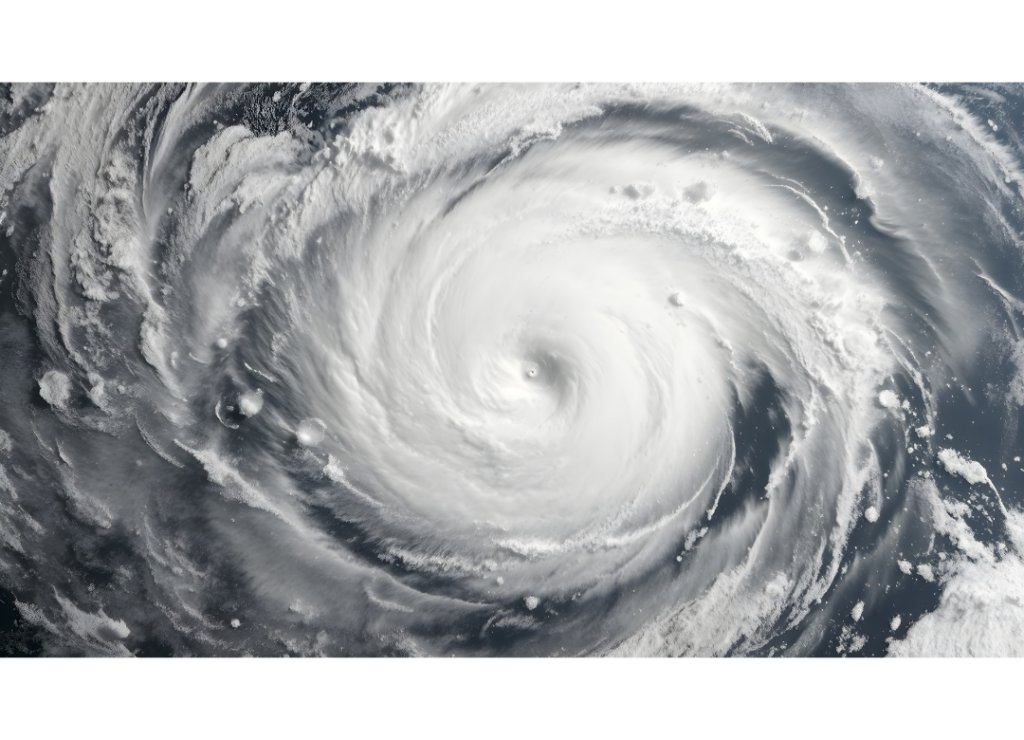
Understanding Roof Damage from Tropical Storms and Hurricanes
Tropical storms and hurricanes can cause roof damage in several ways. High-speed winds can lift shingles. Flying debris can puncture roofing materials. Heavy rainfall can cause leaks or saturate underlayment layers.
Florida’s homes are often designed with storms in mind. But even the strongest roof has limits. Tropical storms might seem minor compared to hurricanes, but they can still do damage.
Wind Speeds Matter More Than You Think
Wind is the leading cause of roof damage during storms. Tropical storms have wind speeds between 39 and 73 mph. Hurricanes start at 74 mph and can reach over 150 mph.
That extra 1 mph between a strong tropical storm and a weak hurricane can lead to major differences. Shingles, tiles, and flashing may survive a tropical storm but could tear away in hurricane conditions.
Many roofs are rated to withstand certain wind speeds. Once wind exceeds those limits, damage becomes more likely. Hurricanes create sustained wind pressure and dangerous gusts. This stress weakens roofing systems.
Rainfall and Water Penetration Risks
Roof damage doesn’t always look dramatic. Sometimes, it starts small—like a slow leak caused by rainfall.
Tropical storms move slowly and may linger longer. That means more rain over time. This steady rainfall can cause saturated roof decks, clogged gutters, or hidden leaks.
Hurricanes bring intense bursts of rain. When paired with high winds, rainwater can be driven under shingles and flashing. This phenomenon, called wind-driven rain, is a big problem in hurricanes.
In either case, moisture trapped under roofing layers leads to mold, wood rot, and insulation damage.
The Unpredictable Factor
Debris is often the wildcard in storm-related roof damage.
Tropical storms may not have the strongest winds, but they still knock over trees and toss branches. A tree limb falling on your roof during a tropical storm can break tiles or puncture decking.
Hurricanes, however, can turn even small objects into dangerous projectiles. Shingles, gravel, outdoor furniture, or fencing can hit rooftops at high speeds. This can break tiles, dent metal roofing, or cause punctures.
In coastal Florida cities, homes near palm trees or loose landscaping are especially at risk.
Duration and Storm Surge Differences
The length of time your roof is exposed to danger matters. Tropical storms often move slowly. They may last for several hours, or even over a day.
While hurricanes can move quickly inland, they often arrive with more intensity. The rapid impact from hurricane-force winds caused immediate and widespread roof damage.
Coastal homes also face storm surge. While the surge doesn’t hit the roof directly, it affects the entire structure. Flooding and moisture weaken walls and support systems, indirectly putting your roof at risk, too.
How Florida Building Codes Respond to Storms
Florida has some of the strictest roofing codes in the nation. After Hurricane Andrew in 1992, the rules were strengthened. Roofers must follow updated installation methods and use storm-rated materials.
Still, older roofs or those not properly maintained are vulnerable. Some tropical storms and hurricanes exploit weak points in underlayment, flashing, or ridge vents.
Roof damage in Florida isn’t just about the storm; it’s also about your preparation.
Post-Storm Inspections Are Crucial
No matter the storm’s category, always inspect your roof after the weather clears. Tropical storms may only cause missing shingles or minor leaks. Hurricanes can rip away large sections.
The earlier the roof damage is identified, the easier and cheaper it is to fix. Small problems left untreated can lead to larger structural issues over time.
Professional roofing inspections in Florida are affordable and often covered by insurance. Even if you see no visible issues, hidden moisture may be present.
Know the Risks, Plan Ahead
Roof damage from tropical storms and hurricanes is never the same. Each storm brings unique risks.
Tropical storms may feel less threatening, but their long duration and steady rain can lead to slow, costly damage. Hurricanes create violent and immediate destruction. Wind, rain, and debris all come at once.
No roof is invincible, but preparation makes a difference.
At Roof Fix, we help Florida homeowners prepare, inspect, and repair with confidence. Our licensed professionals understand what roofs need to survive Florida’s harsh storm seasons.
